Centre Project: High-Impact Weather
This project aims to understand the risks and opportunities posed by weather to key resources in a changing and variable climate.
We define high-impact weather as events that pose either a large risk or provide a large benefit to communities, businesses and governments, or the natural environment.
This definition expands the reach of our research beyond traditional definitions of severe weather, as a high-impact event is not necessarily dangerous. For example, in the renewable energy sector, a prolonged absence of wind over many days is not a threat to safety, but would limit energy generation capacity. Similarly, extensive, long-lasting fog is not necessarily dangerous but can have a large impact on aviation.
High-impact events can have varying outcomes across sectors of our society and economy. For example, heatwaves can benefit the renewable energy sector because of the surge in demand while simultaneously increasing the risk of significant adverse health outcomes to the wider community.
We will engage with our industry and government partners and the wider community to provide a focused investigation of high-impact weather, with the impact defined by those directly affected by events.
We will integrate our investigations of near-surface events with the overlying weather systems and regimes they are linked to.
Knowledge Gaps
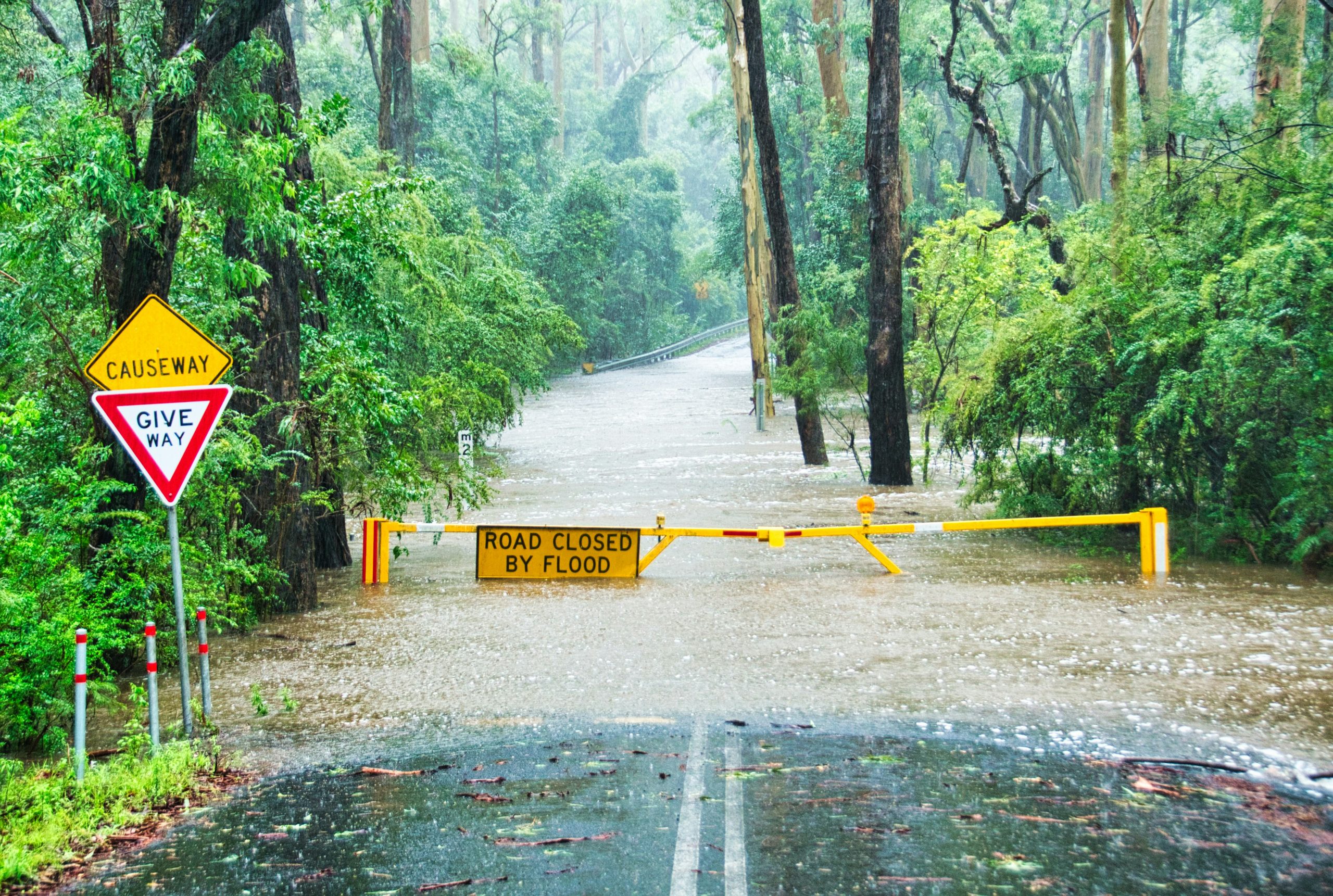
Warmer than usual sea-surface temperatures (SSTs) to the north of Australia can contribute to flooding on the east coast through enhanced moisture transport. Existing models do not represent key tropical processes like atmospheric convection (the movement of heat in the air) accurately enough.
Rainfall extremes of a very short duration (less than an hour) have been increasing faster than expected based on temperature increases. The reasons for this rapid increase are not well understood.
Also, it is well known that urban surfaces can add several degrees to the intensity of heatwaves in major cities. What is not understood is whether this relatively local effect significantly affects large-scale atmospheric circulations.
The Centre will perform dedicated model simulations to clarify the importance of the interactions between high-impact weather with the large-scale environment it occurs in.
Benefits
The interdependence of local high-impact weather with large-scale atmospheric circulation provides an opportunity to increase our understanding of the mechanisms that shape high-impact weather.
We will do this using the ultra-high-resolution climate models developed in our Centre. Having identified and understood the mechanisms involved in key high-impact weather events in our region, we will develop new ways to assess their potential changes in a future climate.
Goals & Objectives
- Define the range of high-impact surface weather as it relates to risks and benefits for various stakeholders.
- Determine the physical and dynamical characteristics that produce high-impact weather of relevance to our partners and the Australian community.
- Develop frameworks to quantify the predictability of changes in high-impact weather and improve our confidence in predicting its future.
Meet the team

Dr Oluwafemi Adeyeri
Research Fellow
ANU

Professor Lisa Alexander
Chief Investigator
UNSW

Dr Hamish Clarke
Associate Investigator
University of Melbourne
Heather Cripps
Student
ANU

Sam Dahl
PhD Student
UNSW

Dr Abhirup Dikshit
Associate Investigator
UNSW
Professor Jason Evans
Chief Investigator
UNSW

Maryam Fazeli
Student
UNSW

Emma Fitzgerald
Student
ANU

A/Prof Ailie Gallant
Deputy Director
Monash University

Dr Sanaa Hobeichi
Senior Research Fellow
UNSW

Dr Chiara Holgate
Senior Research Fellow
ANU

A/Prof Fei Huang
Associate Investigator
UNSW

Professor Christian Jakob
Director
Monash University

Dr Leena Khadke
Research Fellow
UNSW

A/Prof Andrew King
Chief Investigator
University of Melbourne

Wil Laura Laura
Student
ANU

Prof Elizabeth Lester
Associate Investigator
Monash University
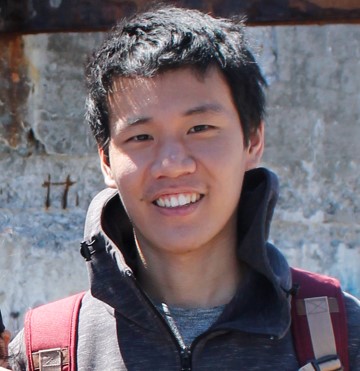
Darren Li Chong Youne Li Shing Hiung
Student
UTAS

Boying Lyu
PhD Student
University of Melbourne

Sam Marcus
PhD Student
Monash University

Yinglin Mu
Student
UNSW

A/Prof Negin Nazarian
Deputy Director
UNSW

Dr Cindy Nguyen-Dang
Research Fellow
UTAS

Greta Paget
PhD Student
UNSW
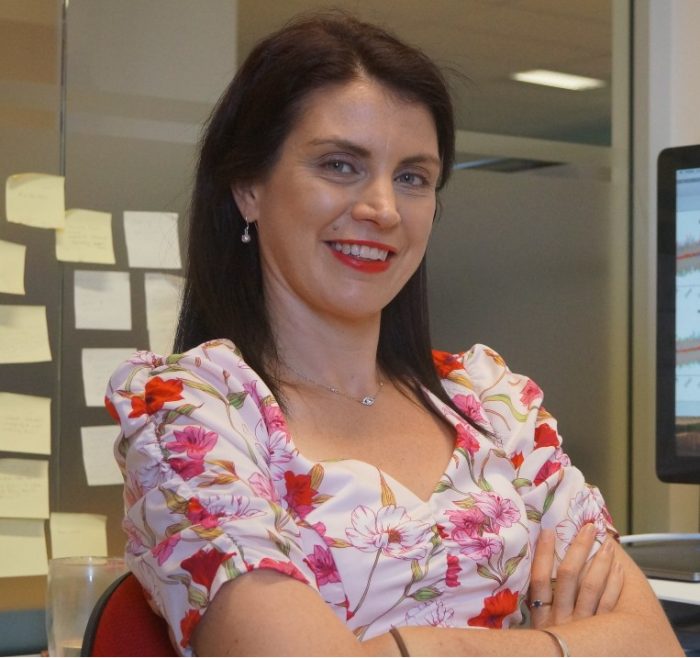
Professor Sarah Perkins-Kirkpatrick
Deputy Director
ANU

Prof Andy Pitman
Associate Investigator
UNSW

Tony Rafter
Student
University of Melbourne

Dr Tim Raupach
Associate Investigator
UNSW

Dr Kimberley Reid
Research Fellow
University of Melbourne
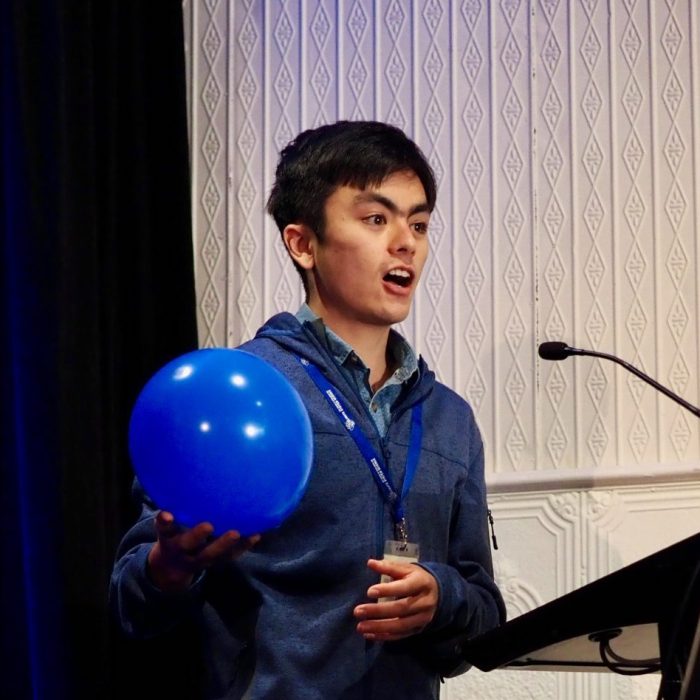
Thomas Schanzer
Student
UNSW

A/Prof Robyn Schofield
Associate Investigator
University of Melbourne
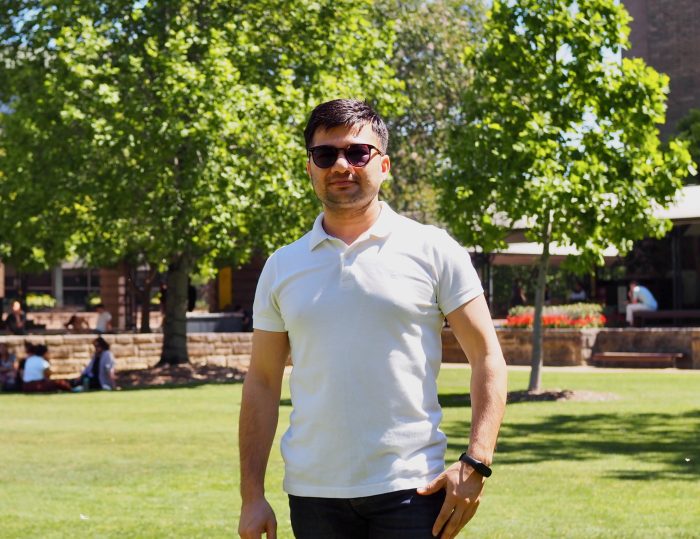
Shankar Sharma
Student
UNSW

Professor Steven Sherwood
Chief Investigator
UNSW

Jiaxin Shi
Student
UTAS

Dr Martin Singh
Chief Investigator
Monash University

Jency Sojan
PhD Student
ANU

Nayan Talmale
Student
University of Melbourne

Joel Treutlein
Student
ANU

Dr Anna Ukkola
Associate Investigator
UNSW

Skye Williams-Kelly
UNSW
Shujing Zhang
UTAS